
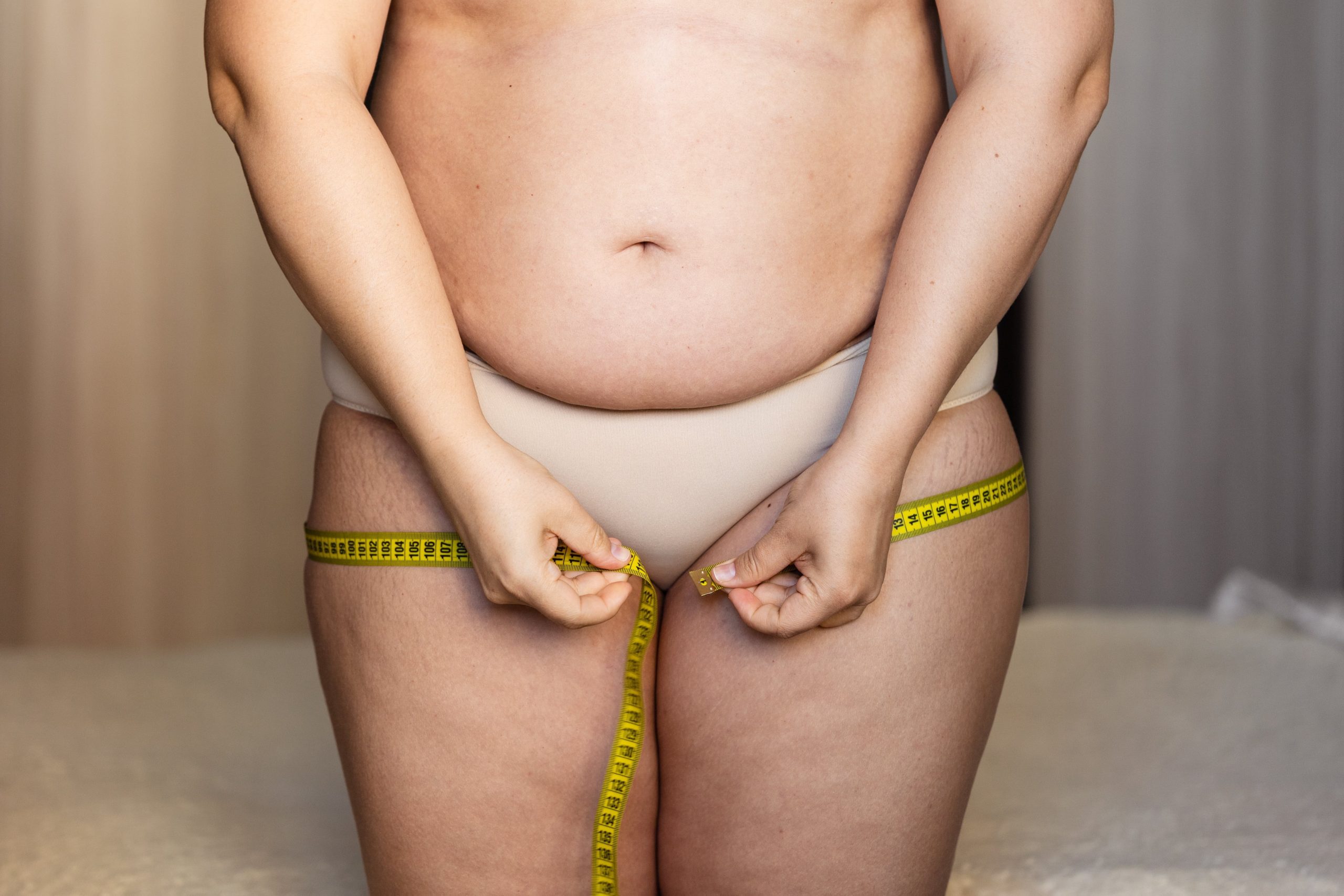
Gastric sleeve surgery is the most commonly performed weight loss procedure today. The Mini Sleeve® takes that proven approach a step further.
Offered exclusively by Total Wellness & Bariatrics, the Mini Sleeve® is an advanced, less invasive version of traditional gastric sleeve surgery. It delivers the same powerful weight loss results, while requiring fewer incisions, causing less pain, and allowing for faster recovery.
Plano patients choose the Mini Sleeve® when they want effective weight loss without unnecessary trauma to the body.
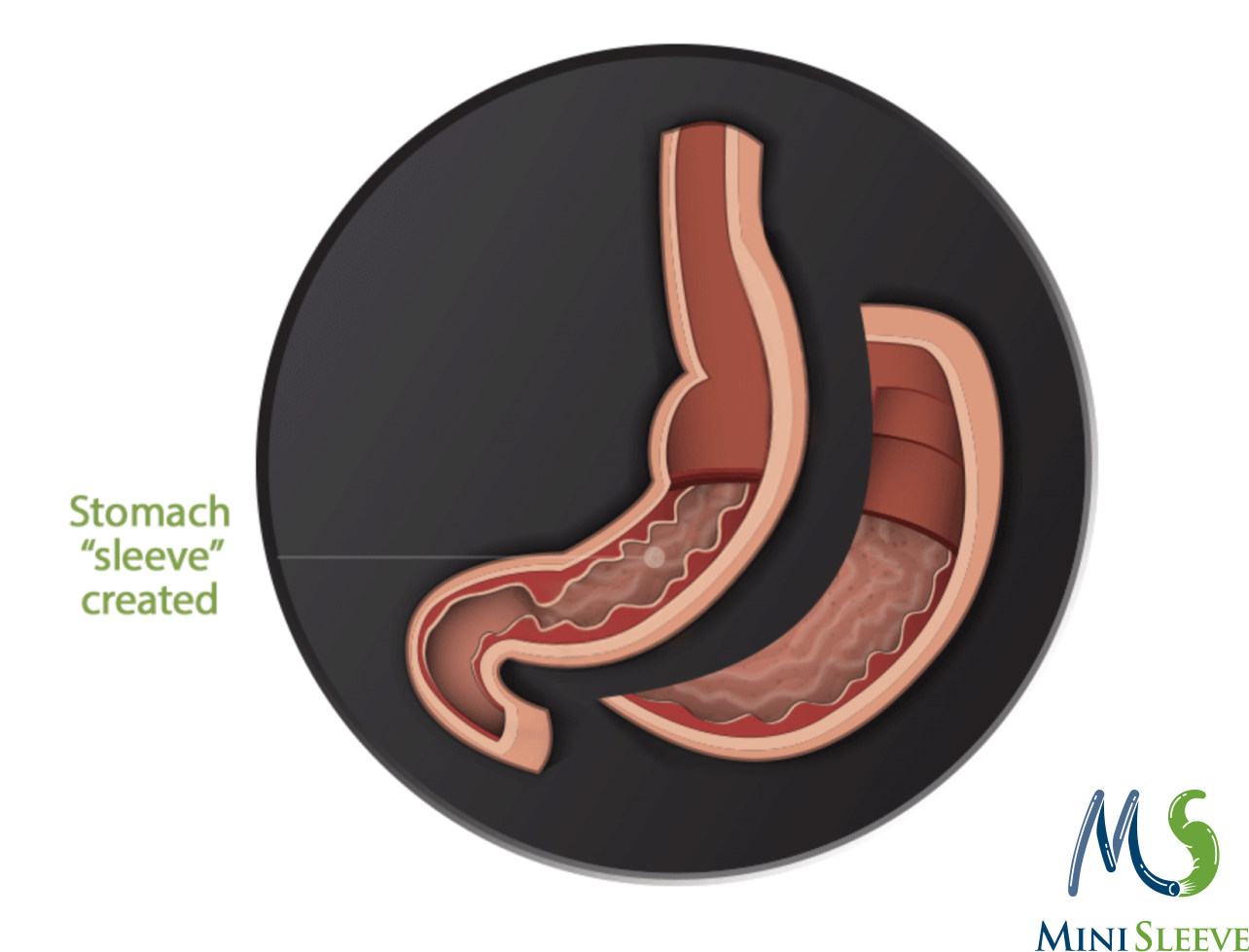
The Mini Sleeve® is a minimally invasive gastric sleeve procedure that removes approximately 70–80% of the stomach, including the portion that produces hunger hormones. This helps patients feel full sooner and eat significantly less.
What makes the Mini Sleeve® different is how it’s performed.
Using a patented technique and device, our surgeons complete the procedure with only 2–3 small incisions, often placed in discreet areas such as the navel. This approach reduces tissue disruption while maintaining the same medical effectiveness as a standard sleeve.
The Mini Sleeve® is nationally trademarked and patented and is performed only at Total Wellness & Bariatrics.
The only fully qualified bariatric surgeon authorized to perform the Mini Sleeve®
Over 6,000 minimally invasive procedures performed
Extensive expertise in bariatric surgery, endoscopy, anti-reflux, and advanced laparoscopy
A patient-focused approach built around compassion and long-term wellness
Comprehensive pre-op education and aftercare support
The Mini Sleeve® procedure is nationally trademarked and patented.






After surgery and weight loss, most patients have little to no visible scarring thanks to our Mini Sleeve® technique, which places incisions in discreet areas like the belly button. The Mini Sleeve® is offered exclusively by Total Wellness & Bariatrics, as we hold the national trademark and patent for this procedure.
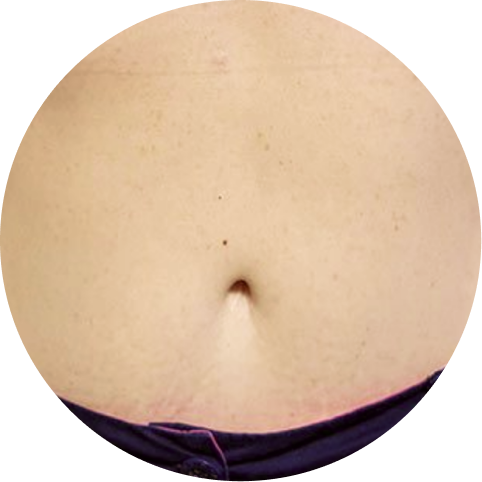
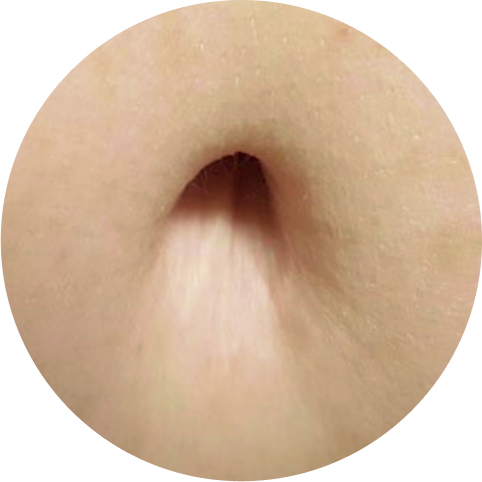
No visible scars
Will I lose the same amount of weight as with a traditional sleeve?
Yes. The Mini Sleeve® provides the same weight loss results as a standard laparoscopic gastric sleeve.
Can I get pregnant after Mini Sleeve® surgery?
Yes. Many patients who struggled with fertility due to PCOS or weight-related issues find it easier to conceive after surgery. We’ve had numerous successful pregnancies post-procedure.
How long does the surgery take?
The procedure usually takes about 30 minutes and is performed under general anesthesia.
Can I take NSAIDs like Advil or ibuprofen after surgery?
We recommend waiting four weeks before taking NSAIDs. Tylenol is safe for headaches during that time. If you have chronic pain, talk with your pain management provider about long-term options. NSAIDs can be used short-term after the four-week mark.
Why is a pre-op diet required?
A pre-op diet helps shrink the liver, allowing surgery to be performed more safely. We tailor instructions to each patient.
I live out of town—can I travel home after surgery?
Yes. We’ve treated patients from across the country and internationally. If you’re flying or driving, we recommend standing, walking, and stretching your legs about once an hour.
How long does gas pain last after surgery, and how can I relieve it?
Gas discomfort is common and usually improves within 48–72 hours. Walking can help, and you may use Gas-X strips, drops, or tablets for relief.
How do I handle post-op visits if I live far away?
Post-op visits can be done by phone or video. We’ll email nutrition guides and lab orders so you can complete follow-up care remotely.
Is it normal not to have a bowel movement right after surgery?
Yes. Anesthesia affects digestion. We typically recommend waiting up to two weeks before using stool softeners unless advised otherwise.
Can I drink caffeine or alcohol after surgery?
We recommend avoiding carbonation and alcohol, especially during the early months. Waiting at least six months before drinking alcohol helps maximize weight loss. If you do choose to drink later on, low-carb options are best. Beer is generally not recommended.
What should I do if I have an issue after hours?
Call 911 for emergencies. For non-emergent concerns, call our main office number to reach our answering service and an on-call team member.
I lost my nutrition packet. What should I eat after surgery?
Call our office and we’ll email a replacement. Clear liquids are recommended for the first two days. Starting day three, you may add protein shakes and other protein-enriched liquids. Stay on full liquids until day 22, then transition to soft foods. Around week four, you’ll move to a high-protein, low-carb diet. You’ll also meet with Tina for a nutrition follow-up at six weeks.
It has been 4 days since surgery and I still haven’t had a bowel movement. Is this normal?
It is normal not to have a bowel movement after surgery, since your colon is the last thing to wake up from anesthesia. We recommend waiting about 2 weeks before trying a stool softener or laxative of any kind so that your body has the chance to work naturally.
Is the Mini Sleeve a standard size? If so, how much of the stomach do you remove?
The Mini Sleeve is a standard size that requires removal of 70-80 percent along with the hunger-producing hormone, which causes the patient to lower their food intake.
Why do you require a pre-op diet?
Some doctors may require patients to consume a pre-op liquid diet in order to shrink the liver for your procedure to be performed safely. We will give you thorough instructions on how to be successful in completing your pre-op diet since each patient is different.
What is the recovery time like? How soon can I return to work?
After having Mini Sleeve surgery, most patients return to work within 2 to 3 days. It is normal to feel fatigued for the first 2 weeks after surgery.
After 6 weeks post-op, I can eat a little more. Why is that?
Your body will experience swelling after surgery, which is normal. As the swelling goes down, you’ll be able to take in more fluids and more food. Your stomach will be able to hold about 4 to 6 ounces at a time after the swelling goes down.
When should I start taking vitamins?
We recommend starting vitamins two weeks after surgery. If your protein intake is consistent, you may begin your multivitamin sooner—but avoid taking it on an empty stomach.
I feel dizzy or lightheaded after surgery. Is that normal?
Yes, especially if your blood pressure is dropping. Monitor your blood pressure at home and speak with your PCP about adjusting medications if needed.
Why does my chest feel uncomfortable when I drink?
This is usually due to surgical gas and normal swelling. It typically resolves within 72 hours, though some patients notice it for up to a week.
When can I swim or take a bath?
You may shower right away, but wait two weeks before swimming or soaking in a tub.
Why do I need lab work after surgery?
Lab monitoring helps ensure you’re meeting nutritional needs and allows us to track the health improvements your body is making after surgery.
Should I keep taking my blood pressure or diabetes medications after surgery?
Yes. Continue taking your medications and monitor your blood pressure and blood sugar at home. Your primary care provider will officially adjust or discontinue medications as appropriate, often sooner than expected.
Will I lose hair after surgery?
Some hair thinning can occur after surgery, especially with larger weight loss (often around 100 pounds or more). This is usually temporary, and hair typically grows back once your weight stabilizes. Meeting your protein goals and taking biotin can help reduce hair loss. We also offer hair-stimulating laser therapy and PRP scalp injections to support regrowth.
I’m two weeks post-op and still tired. Is that normal?
Yes. Fatigue is common during the first week or two. Energy levels usually improve as your body heals and protein intake increases.
Can I chew gum after surgery?
Yes—just choose sugar-free gum and be careful not to swallow it during the first couple of weeks.
Can I use a straw? What about carbonation?
Straws are fine after surgery. We generally recommend avoiding carbonation, but if you choose to have it later, wait at least three months, choose sugar-free options, and never drink carbonation with meals.
Is the stomach removed through my mouth?
No. The removed portion of the stomach is taken out through the belly button, which helps reduce discomfort and scarring.
The glue is coming off my incisions. Is that okay?
Yes. The surgical glue protects the incision while it heals and will fall off on its own. Try not to pick at it.
Will surgery help me stop taking medications for blood pressure, cholesterol, or diabetes?
Yes. One of the biggest benefits of bariatric surgery is improvement—or even resolution—of these conditions. Many patients are able to reduce or discontinue these medications over time.
Do you offer a support group?
Yes. We have a private Facebook group for post-op patients and a Pinterest board where we share recipes, tips, and motivation.